


In the 1970s, the term ‘Cultural Capital’ was introduced by sociologist Bourdieu in response to the idea of ‘Economic Capital’ from Marx (Cultural Learning Alliance, 2019). Beyond this ‘Social Capital’ a highly contested term could be defined as the benefits of ‘who you know’ (Claridge 2004) ,
Great- but what does that pile of words mean? Well economic capital is the idea that money, wealth and assets were the important things that decided your class and opportunities. However Bourdieu felt that there were also other types of capital passed down through generations related to ‘culture’ that helped to retain class and almost presents an attitude that gives greater opportunity to social advantages that are not a form of monetary asset. This includes education, exposure to art and music, and even linguistic skills. Social Capital is argued to be the prospects you gain from knowing the ‘right’ people, for example getting a great job role because you know the person hiring and it gives you a way in, over applying externally and independently.
I first heard about cultural capital while I was studying a degree with the Open University, and felt it somewhat relatable in my own personal experience. I, a person who came from a childhood of poverty, with 0 financial inheritances and no social connections have been able to become a successful adult, running a business and no longer classed in poverty. This could largely be attributed to opportunities of skills that I learnt through being on community committees as a teenager, learning my voice and actions can have power and through the gaining of education through school and army cadets. I also gained access to music through the cadet force by being a part of a Corps of Drums, learning 2 instruments, being exposed to music theory and influencing my ‘A level’ qualification choices later on. My mum taught me to read with expression which stopped reading being ‘boring’ which has enabled me to read with skill enough to be able to access higher education during adulthood. Therefore my own social mobility could be concluded to have come from cultural capital. Any social capital I may have encountered has come through my own personal work such as opportunities I may have been given through building connections from work and awards rather than having family connections as an example.
So when in 2019, Ofsted introduced Cultural Capital into their inspection framework, I was delighted. Something that clearly happened to me and gave me better life opportunities was something that could be replicated with children in poverty and would be of focus for education providers in England across the board. It meant that educators now were actively seeking out the definition of the term because they would be inspected on it. It ensured that focus would be placed on children gaining skills and knowledge but also recognising what families may already be passing onto their children. It meant to me that wealth of all kinds of knowledge was being recognised, not just wealth in relation to money. It was recognising that access to culture such as art, music, dance, poetry…visits to museums, galleries and live music recitals… was essential to social mobility and should not be something that was reserved for those with access to money. The hope was really there that if families did not have the money to give that capital to children, that educational settings could support that access.
However in 2025 Ofsted quietly removed the term from their inspection framework. There is now a much larger focus in the document surrounding inspection conduct, which was in response to the tragic death of Ruth Perry in 2023. This was and is entirely needed and important. Inspections have long been described by practitioners and teachers as the most stressful and fear inducing part of the job, not the supportive yet quality improving system that it could be, so change has been long needed. The new inspection framework aligns with the new reporting method of ‘report card’ style feedback rather than single word judgements, and thus appears to concentrate on the process and conduct more than the content that it used to highlight. There are many that argue the new inspection system is more stressful with many reporting that the new framework is not an improvement. I am yet to be inspected on the new framework, but having looked through all of the documents and descriptors, I can entirely see why these arguments have been made. I also can see the tone change. This inspection framework has been in response to an awful situation where Ofsted needed to be more accountable, and this has resulted in the removal of ideas expectations around cultural capital and knowledge to hone in on what it needed to.
Sadly this means the term has fallen off the radar. No one is talking about it anymore. The sudden outpouring of courses and workshops at conferences talking about cultural capital has now dried up. If you search for the term, the content on websites is all still there, but I highly doubt the searches are happening. I suppose it has fallen out of fashion in the educational sector and I think this is a huge shame.
I have long argued that the Early Years Foundation Stage (EYFS) or equivalent frameworks in the devolved UK Nations should be a set of minimum standards that highlight key concepts. Ultimately early years practitioners have a lot of roles to contend with, and in my view for childminders this is doubly true. If something is not going to be highlighted in an inspection, that is the thing that will be swept under the carpet and forgotten about. It takes a lot of work to create a curriculum that goes above and beyond what is ‘expected.’ It takes outside reading or knowledge, passion and experienced practitioners. It means building an ethos that does more than the minimum most if not all of the time. So in my view if the minimum had more tied to it, that is what will increase the outcomes for the children in those settings. If the minimum required settings to have practitioners with extensive nutrition knowledge, cultural capital awareness, environmental education and children’s citizenship as elements that were inspected, you can bet that every conference and training provider would be focusing on these things. But because they have disappeared from the inspections, who is going to spend their time and limited money on these topics that will gain you no additional visible benefit? Resulting in these things being blown away with the odd essence left on the breeze.
I wont let cultural capital go so easily. I whole heartedly believe it is vital to children to have exposure to all sorts of experiences. Childminders are so well placed for this because of our smaller ratios and family feel. Children get our cultural capital passed down to them as well as their families in an authentic way. The children in my setting get to experience musical instruments because I can play them and understand notation is like reading for music, even if their parents can not play music. They hear a very eclectic range of music in my home and have an adult who isn’t afraid to move their body because I perform dance in my free time. They have the confidence of capability passed down to them through being active in community networks of litter picking, the little library and hearing me talk about projects such as our local petitions regarding speed limits. They are in my home with my ethos and my experiences. With me alongside their families, they get a double dose of cultural capital. Lucky things.
Cultural capital is something I will no longer be inspected on. Yes the opportunities I give will seep into other areas of the inspection framework and will still look positive. But the value of this knowledge will no longer be externally validated. But I know how important it is, and my practice goes deeper into knowing children will take these skills into adulthood, likely never knowing it was their early years that influenced those skills. So on those hard days, I’ll hark back to these thoughts, and know that I do what I do for them, and not words on a grading report.
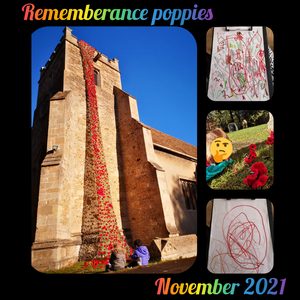
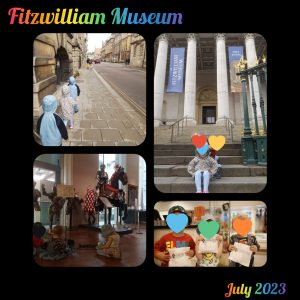
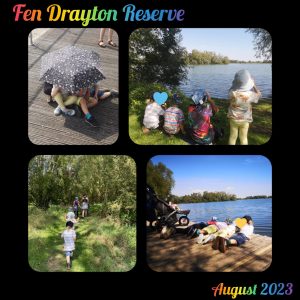
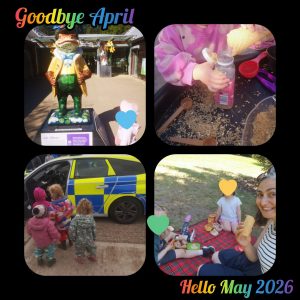
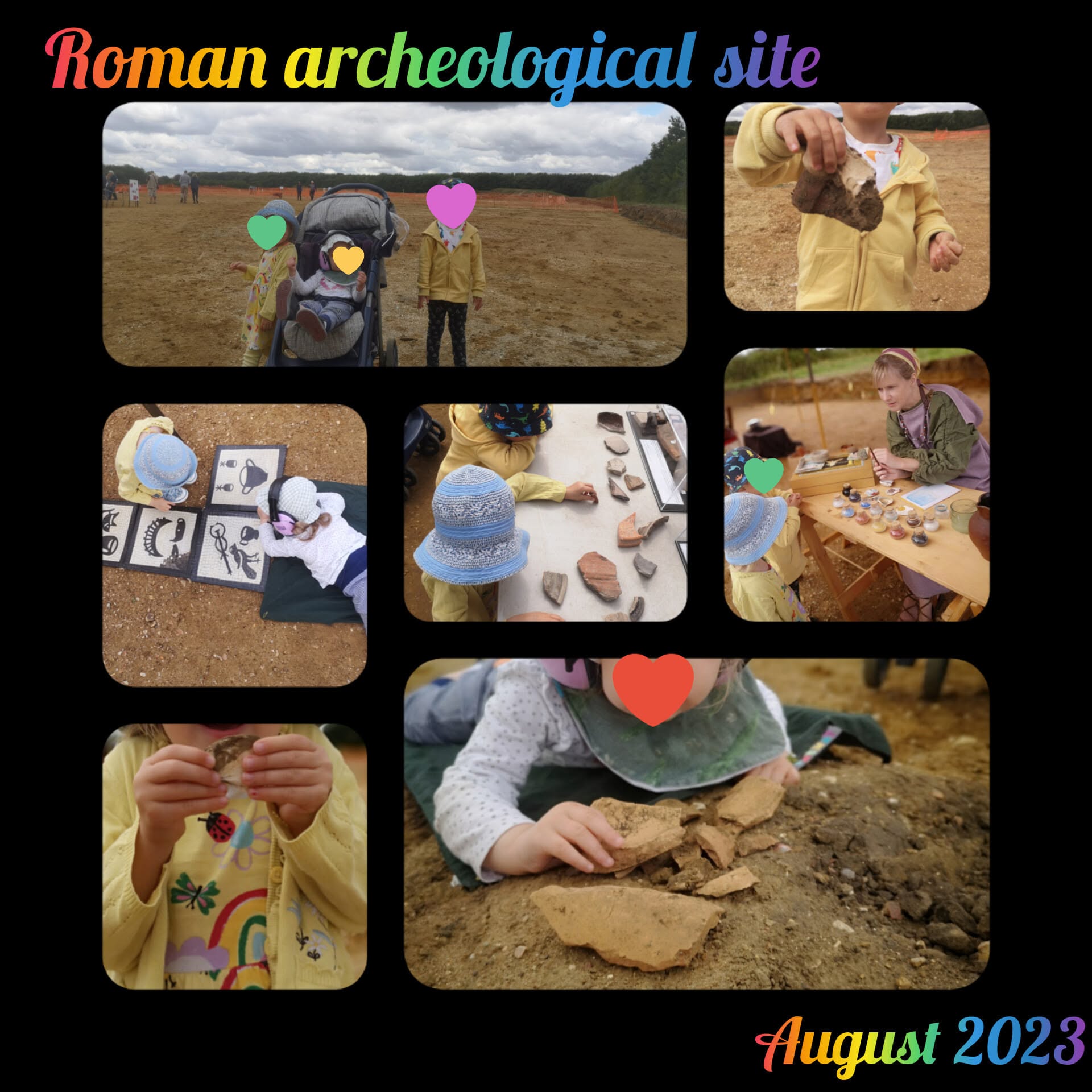
Here are just a few of those Cultural Capital gaining moments: