





2026 is the year that the Department for Education (DfE) has designated as the National Year of Reading. All kinds of organisations are supporting this effort from one of the partners, the Book Trust to sponsors including HM Prison and Probation Service. (I know a slightly odd sponsor for a childminder to highlight, but hang on it’s important!)
Let’s start with the why? Why is the DfE funding such a year? According to the National Literacy Trust just 1 in 3 children (aged 8-18 years) enjoy reading. They state “This is the lowest level since we first asked the question in 2005.” (accessed 11/02/2026). It could be argued that as long as a child can read it probably doesn’t matter if they enjoy it or not, however there is plenty of research out there that argues otherwise, and interestingly it isn’t solely in the interest of academic scores, although there is quite a bit of mention around this.
The DfE (2012) highlights research that mentions a study discussing emotional and social impacts relating to reading for pleasure. This was the main piece mentioned that was unrelated to educational attainment. I went off to quickly scan over this document by Clark and Rumbold (2006) and they say some pretty interesting things. When asking children what they liked about reading, there was often the answer along the theme of how it made them feel. Interesting when lots of reading during education is less about feeling and more about ability and associated skills (comprehension, phonics etc). It is also interesting to note that this document mentions that children often read in more unconventional ways that are not necessarily seen officially by adults and education, including magazines and emails/ websites. This is surely going to be even more the case in the 20 years since that was written. (Sorry…2006 was 20 years ago?)
Ok, so this all seems miles away from a childminder highlighting the prison service sponsoring a reading campaign for children.
Well here it is. According to the government, “…more than two-thirds of prisoners enter prison with reading levels below GCSE standard – many at primary school level.” (accessed 11/02/2026) This also means that reoffending is more likely, because it is very difficult to secure a job after prison with both a criminal record and without the reading and writing skills that you need for every day life. Prison is a really interesting topic that many people have different opinions on. Some feel prisons should be a punishment and some feel they should be places of rehabilitation. I think I am in a little of both boats here, but rehabilitation is essential, especially if crime is being committed by people who needed a lot of support as children and young people that they didn’t get, reading skills being just one of those things. It is interesting to read more about prison libraries and of value to note that it is a legal requirement for prisoners to have regular access to the borrowing of books.
With this in mind, it seems there is a link to adults within the prison system who have limited reading skills who once upon a time were children who did not read for pleasure. This should really make us stop and think. Regardless of academic success, it appears that thriving within our society involves reading for pleasure. What a mission we need to take on!
What are the barriers to children reading? Well I’m not going to reinvent the conversation here. The Book Trust has so much information available on this topic. However to pull out a few points that we can start to tackle and reflect on. I have written an idea of a solution next to each barrier, but comment to let us all know even more ideas!
Barrier: 1 in 5 Children do not own a book. Solution: For Christmas this year buy every child you know one book instead of a toy. Yes this can be second hand! This makes sure that every child in your life for certain owns a book.
Barrier: Lack of role modelling. Solution: Put down your phone for 5 minutes in-front of your child and pick up a book or magazine. Show that reading has value.
Barrier: Child is ‘bored’ with reading. Solution: Talk to a librarian with the child to help them find a reading material that ignites a spark. Comic books, non-fiction and magazines can all count!
Barrier: Lack of independent reading skills. Solution: Reading aloud to older children is still really important. It allows for increasing vocabulary and exposure to words to help their fluency. It also gives them motivation to hear exciting or engaging text so that they want to learn to read on their own. Make sure you are talking with the family and any professionals involved with the child to recognise any signs of learning disabilities such as dyslexia or any eye-sight issues that may be affecting your child’s reading experience.
With all of this in mind, what can the National Year of Reading look like for a childminding setting? For me I think it’s going to look pretty similar to all of my other years. I have always been very aware of making reading a priority and try to make this as enjoyable as possible. Looking back, my mum found it very difficult to stay awake during my reading homework read aloud time, so I had to learn very early on to read with expression to try and keep her engaged. This skill has stayed with me so engaging children in stories is one of my strengths, but I know not everyone has that experience! So here are some ideas that childminders can think about, whilst I am reminding myself of why all of this is so important!
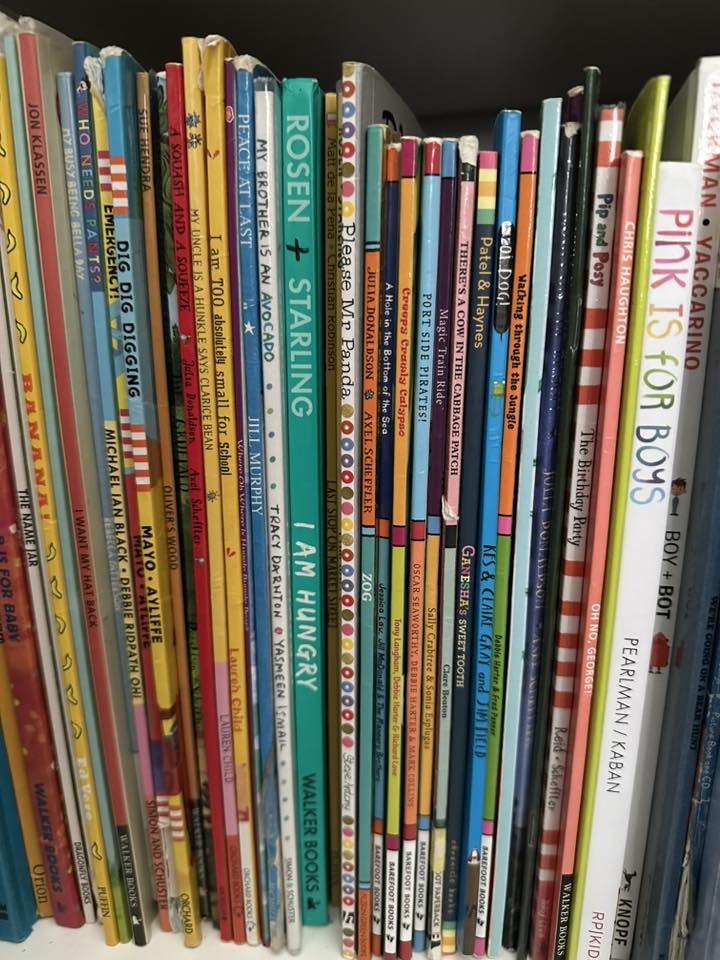
Book review- Look at your books and make sure they are covering a wide range of styles and topics. Children having the choice of different reading materials helps them to find books they enjoy. Look to see that you have both fiction and non fiction. Sing a long books are popular in my setting. Are there some calm cosy books? Baby texture books? What about some magazines? I often pop in the odd promotional magazine from garden centres or toy shops that pop through my letterbox, it sparks conversation and skills in page turning and holding books in the correct orientation. Don’t forget to review your books for diversity of characters too!
Storytelling is important! You don’t just have to read a book. You can memorise a story if you prefer and act it out. Get some puppets of a favourite story and work with the children to tell the tale (three little pigs is our main puppet story in my setting!) Story sacks are popular and it doesn’t have to be costly to put one together yourself at home.
Don’t forget children with Special Educational Needs deserve access to reading for pleasure too! My time caring for a child with complex SEND means that my eyes are more keen to posters in my local community that advertise useful resources. I found these and it’s worth checking if your local library has access to Bag Books if you care for a child with disabilities. These are multi sensory short stories and I highly recommend them. All of the children I care for enjoy them and it really helps the children to share an experience together reducing social barriers.
Childminders! Use each other to connect with reading. Maybe you attend a local toddler group where you could take it in turns to read a story. You can take the children in your care to a local library for a story or rhyme time. I set up a Little Library for my village and the children have been very responsible in helping to look after it. Sharing resources with fellow childminders, maybe you could have a book swap or a puppet swap for a few weeks to change things up? Maybe you want to read more too, there is a childminder magazine out there now made by a fellow childminder called….Not Just a Childminder which might be up your street if you want something relatable to the job and speaks kindly.
Connect with families. We all know how important the home environment and parent’s are to a child’s development, and reading is no different. However be aware that some children will be living in families where reading might not be valued or is a negative experience for the parents who struggled with reading themselves at school. You may have become aware of this during contract signing time and already made accessibility adaptions to ensure policies are accessible for parents who may find reading a challenge. Start with kindness and a non judgemental approach. Childminders are in a really wonderful position of being professional but also feeling like family, so really lean into this skills to support parents who might find reading a challenge. Ideas such as being positive around chatting about the illustrations with their child or using word light books such as “Stick!” or “Hug!” Parent’s can use ‘YouTube’ to help them learn some of their child’s favourite stories but of course signposting is also important. You could support families to seek further support from organisations such as Read Easy who coach adults to learn to read.
You can find some more resources for Early Years settings from the National Year of Reading website here.
If you made it this far, well done! I would love to hear any reflections or recommendations going forward specifically for childminders to help us all support young children gain a passion for reading.
What am I currently reading when I’m not working I hear you ask? Well, it isn’t bringing me much pleasure right now as the content is a depressing subject, but it is widening my horizons a little and making me think. It is called ” Chavs: The Demonization of the Working Class” by Owen Jones. A very interesting read in this current political climate, and vastly different from my usual fantasy reads! If you want to know more about what I read you can add me on GoodReads!