



Having recently had my first full week off from work in almost two years due to ill health, I thought it would be worth a little write about.
When I first meet families, often there is the discussion about what happens to their child’s care if the childminder becomes unwell. Ultimately for a lone childminder like me, this means the setting has to close until they are well again. For families this can be a feeling of being left in the lurch, with their own commitments being skewed.
For Childminders this is a real vulnerability to our business, many parents choose day nurseries because of this. There are also many other things to consider which can make sick days very stressful rather than being the calm recovery time that one needs. Childminders sit wondering how they are going to financially cope with losing paid days work. How will they can reassign the funded entitlement to each family when the week is already so full or face the arduous task of refunding the local authority? They can feel guilty for putting families in awkward situations and proceed to try and contact other childminders in their network to see if they have any spaces to temporarily care for their charges. On-top of all of this they think about the children. Childminders miss the children, are sad for all of the activities and experiences they had planned that get sucked away by illness. Additional layers of guilt may be felt if it is known that a family needs support from them. Perhaps the childminder has concerns about a child’s safety and frets about the lack of the setting’s safe space for that child. What about families who the childminder knows struggle financially? They worry about the impacts of the child being at home more than usual, will this mean a parent might not be able to eat because they need to provide an additional meal for their child? Or maybe a childminder cares for children with Special Educational Needs and Disabilities (SEND) and provides all important respite and support for families when that child is in the setting and knowing how exhausting this week is going to be for them?
Children are obviously impacted too. Working in the Early Years (EY) is an incredibly personal role. An EY educator such as a childminder needs to build healthy and supportive relationships with children; they might not understand why they aren’t coming to the setting for a week or two. They often miss their childminder and this may cause them some emotional difficulty. In addition it disrupts a child’s regular routine, which might be particularly impactful on children who are neurodivergent. Additionally, the children are missing out on experiences and activities, as well as be living with families who are feeling more stressed than usual.
But it doesn’t have to be all negative. I have been very fortunate with my health in the past which means my record of sick days is extremely low, but I know this isn’t something that can’t be taken for granted.
Our sick days can be ways for us to remember that we are human not machines and that we have to take care of ourselves. All that ‘boring’ stuff is true; eat well, exercise often and talk kindly to yourself. Take time to ask questions: “Am I working too hard?” “What am I doing to look after myself every day?” “Have I got a good work/life balance?”
It is also a great opportunity for families to look at their own work balance. If they are finding it impossible to take time off work, or their manager is being very unhelpful, maybe this is a sign that there is a conflict in priorities for when their child is very young.
Reflecting on your policies in setting can also be a part of this experience to make sure that families are not sending children in unwell which protects everyone in the setting. Making sure cleaning and exclusion policies are all upheld particularly if the illness is contagious.
It is also a time for us to learn and practice some empathy, leaning into the good. Reminding yourself it is not your intention to be unwell; making sure you don’t look at all of those emails, social media pressures and really being kind to yourself. I am very grateful that the families in my setting were incredibly supportive and did not once complain about me being unwell. This is hugely appreciated. I know that my sick days caused them additional stress, but they chose to lean into empathy. Thank you. (Oh and I will get to those readjustments of invoices and funded hours soon!)
And finally, for the children. Families teaching their child about what it means for others to be unwell and how we need to care for each other is a huge life lesson. Drawings, very occasional cheer up photos or sending a card is a really beautiful thing to receive when you are feeling unwell, guilty, pressured and worried. What a beautiful skill to teach the next generation.
And when they return? Well I am sure we will have the doctor’s role play kit out talking lots about being unwell and getting better, reading stories about helping others and generally catching up on a week of news!
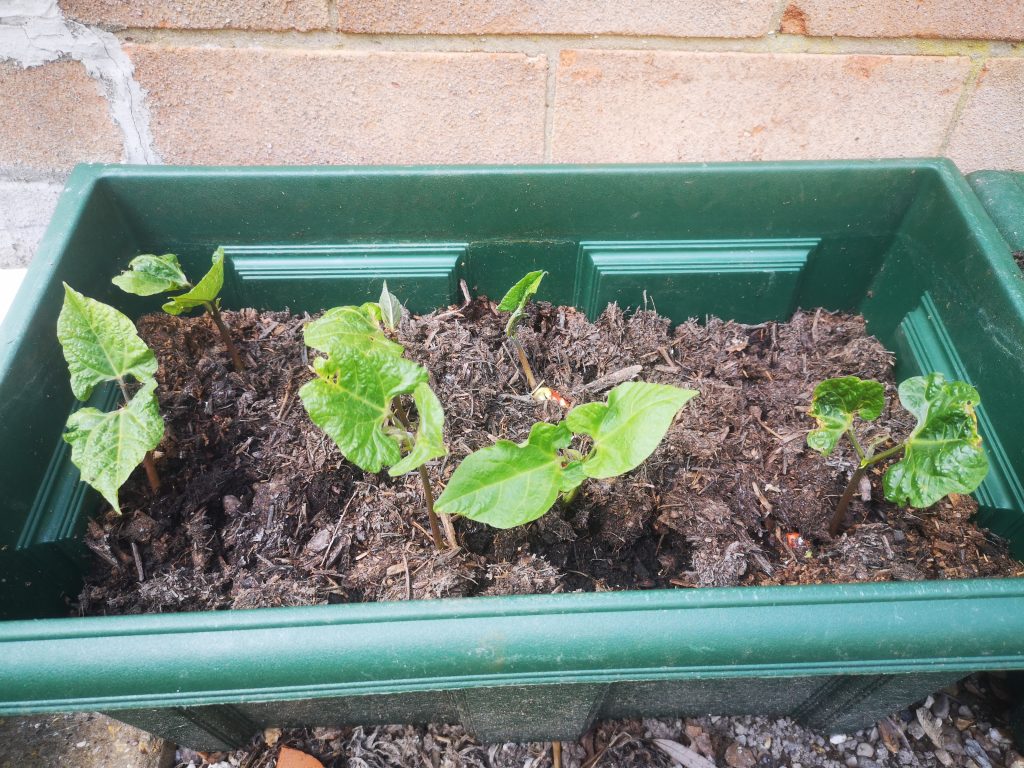
My news to share with the children? Just look at how much our plants have grown since you’ve been away! (But don’t look at the sunflowers that got eaten by slugs.)